
by: Catherine Zhang Dear Mom, When you pulled me aside yesterday as I left for school and told me that my V-neck sweater was too low, you spoke to me that my identity only existed in the sphere of how much I displayed my body. You, who told me everyday of my life how perfectContinue reading “Dear Others, Stop Telling Me What to Wear: “My Little Black Dress Doesn’t Mean Yes.””
Author Archives: annaliesereid
Wealthy Women and Beautiful Men: Does Social Status Override Appearance?

by: Kelly Dayton Robert Bly’s “Iron John” discusses the relationship between status and appearance, and emphasizes the importance of presentation of the self. When the King’s son appears in the presence of royalty as the cook’s assistant, he is scolded for his sloppy appearance. Immediately, it is clear that the importance of looks is veryContinue reading “Wealthy Women and Beautiful Men: Does Social Status Override Appearance?”
Damsels in Distress or Damsels that Impress?

by Alana Foster-Smith Women have long been deemed academically inferior to men. The first woman in the United States to receive a degree was not was not until 1831, almost 200 years after Harvard was founded. Women had to fight not only to go to school, but also to be taken seriously in the classroom.Continue reading “Damsels in Distress or Damsels that Impress?”
The Angel’s Dead, but We’re Still in the House: How rejecting a gender archetype is just as limiting as conforming to it
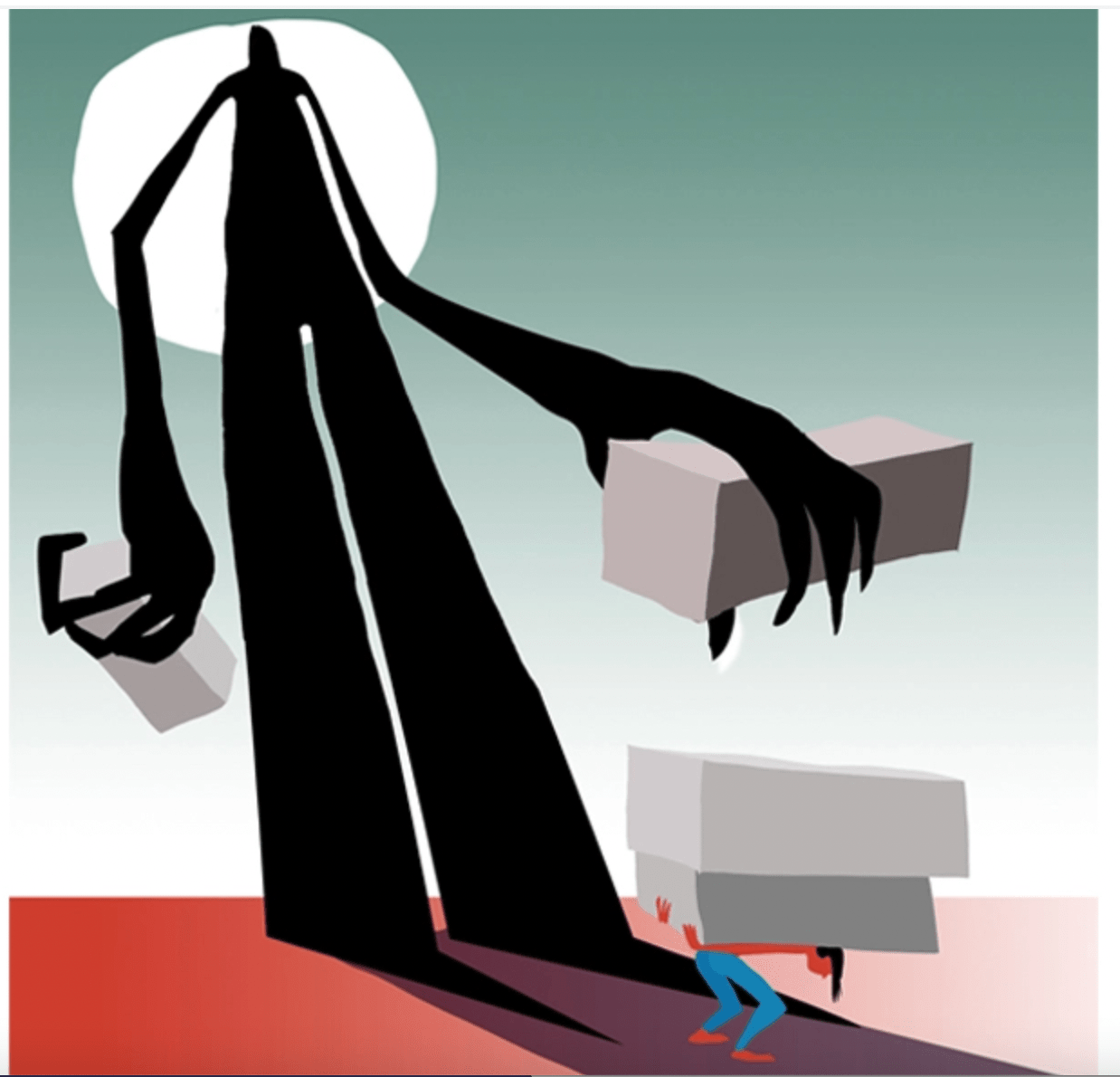
by Kathryn Kaiser Before I comment on the nature of archetypes in our society, two things have to be made clear. First, an archetype is defined as a “perfect example” according to Merriam Webster. An archetype is unique from a stereotype since it is the pinnacle of what a good woman, man, student, child, etc.Continue reading “The Angel’s Dead, but We’re Still in the House: How rejecting a gender archetype is just as limiting as conforming to it “
Class and Gender: A Nuanced Intersection

by: Daria Haner When we speak about gender norms, we tend to do so through the context of our own lives or through those we are exposed to in the literature we read. However, we must understand that the intersectionality of class and gender plays a huge role in gender roles and what is expectedContinue reading “Class and Gender: A Nuanced Intersection”
The Art of Growing Up a Girl: A Culture of Female Submission
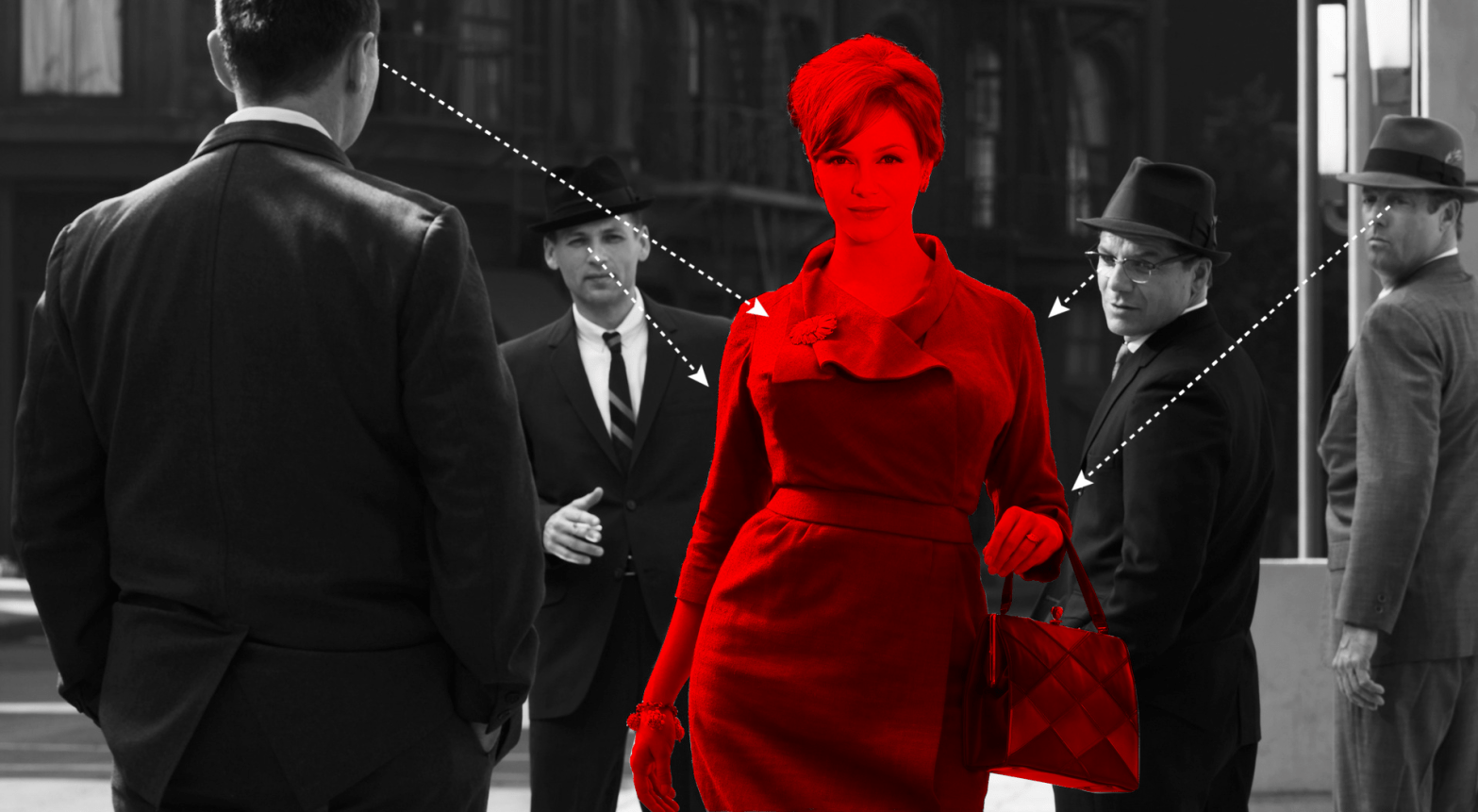
The male gaze pictured above. By Catherine Zhang Roxane Gay’s anthology, Not That Bad, details short essays recounting stories of how she was violated in her youth in the experience of growing up a girl. Hauntingly enough, a theme of appreciation is specifically woven throughout her essay, “The Ways We Are Taught to Be aContinue reading “The Art of Growing Up a Girl: A Culture of Female Submission”
A Critique of Dr. Heather Heying’s Claims
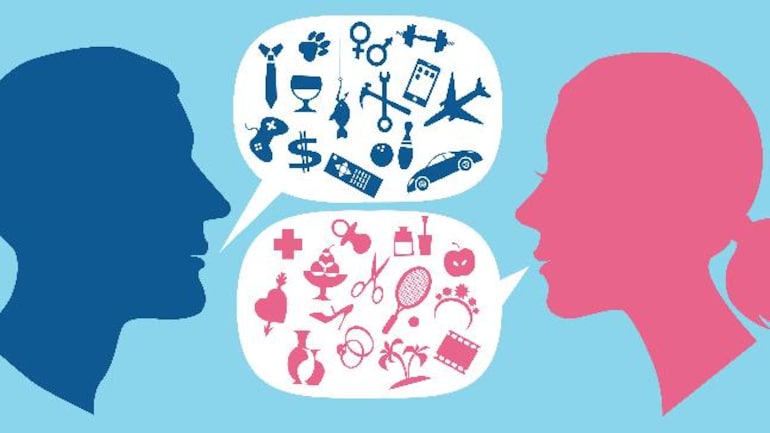
Dr. Heather Heying explains how gender stereotypes can lead to the assumption of gender in this video. She makes valid points about the harm of assuming someone’s gender, but I, as a progressive female, disagree with her when she says this is fueled by the normalization of being transgender. Dr. Heying believes that if sheContinue reading “A Critique of Dr. Heather Heying’s Claims”
DIY Social Change: Deconstructing Gender is an Individual Responsibility
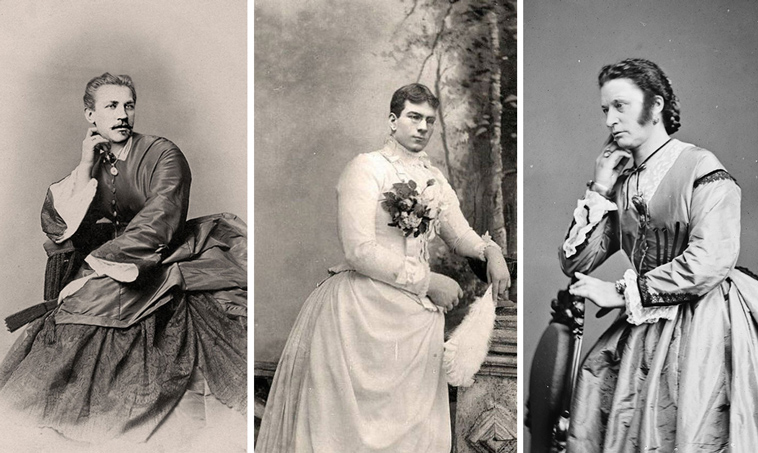
by Frederick Loew Coventry Patmore’s 1854 poem Angel in the House proposed an idea of what women should be like and shaped the gender norms of Victorian society. Patmore used his wife as an example, showing the people of Great Britain that a woman should be devoted to the family and submit to her husband’sContinue reading “DIY Social Change: Deconstructing Gender is an Individual Responsibility”
Gender?

by Hank Bernhardt Talking about gender is hard to begin with, made even harder when one party doesn’t know the terminology. When I discuss gender and sexuality I try to stick with the terms I know, but when I sit and really think about terms I find myself with more questions than answers. I knowContinue reading “Gender?”
Society in Chains: Gender Promotes Male Toxicity

by Sage Marmet Thomas Page McBee’s article Amateur: How Do I Reconcile My Masculinity With The Toxicity of Men unpacks the ever-prevalent toxic male culture in today’s society, provoking men to question their role–or lack thereof–in deconstructing their pedestal. Toxic masculinity is constantly perpetuated, and even normalized today: dress codes in schools teach young menContinue reading “Society in Chains: Gender Promotes Male Toxicity”
 Constructions of Gender in Literature