
by Lily Liu The Star Tribune‘s “A stand for dignity on public beaches” focuses on the ordinance of the Minneapolis Park Board preventing women from going topless in local parks. The editorial’s criticisms pose the question of what differentiates breasts on a woman to those of a man- so much so that the ordinance neededContinue reading “#FreeThe███”
Author Archives: annaliesereid
To Boob or Not to Boob: Social Commentary Cartoon Criticizes Minnesota Laws and Social Norms
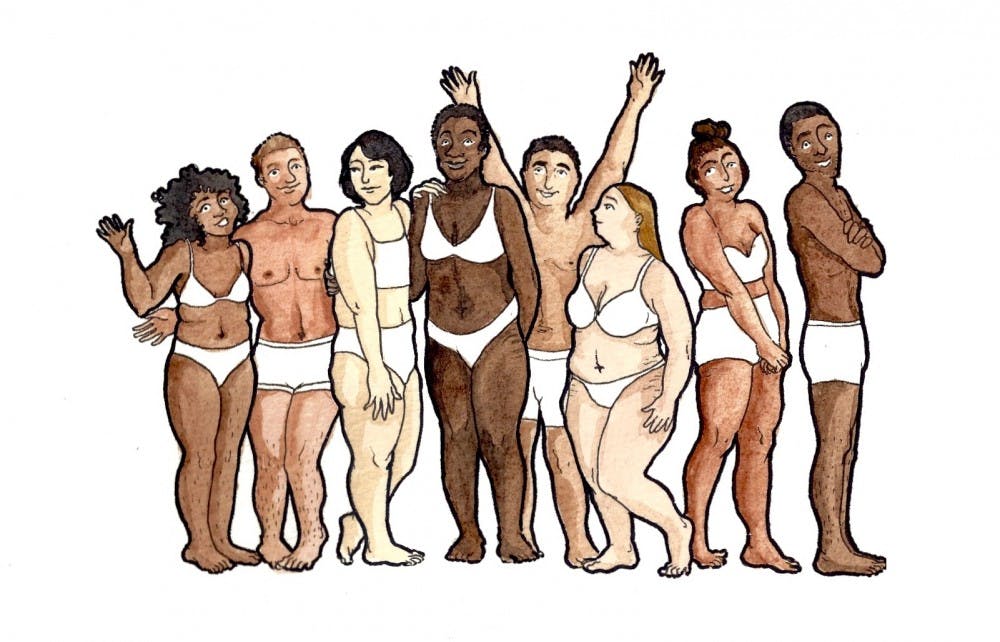
by Frederick Loew Steve Sack’s cartoon: Police lineup, toplessness edition, provokes much discussion about how we police people’s bodies. Personally, the only thing I feel particularly provoked by is the atrocious show of toes, however, l recognize that it’s very difficult to unlearn cultural norms. In Minnesota, we don’t often see female-presenting people topless outsideContinue reading “To Boob or Not to Boob: Social Commentary Cartoon Criticizes Minnesota Laws and Social Norms “
#MMIW: Student Reflections Collected on Canvas in 2020

Movement to Address Missing & Murdered Indigenous Women (& Girls) I know that before colonizers came to the New World, women and men were seen as equal in their society. However, after the arrival of the Europeans, the rights and dignity of these women diminished; is this a factor in present day injustice? How doesContinue reading “#MMIW: Student Reflections Collected on Canvas in 2020”
Reading The Round House: A Realistic, Intense Narrative Delivers a Lesson on Gendered and Ethnic Violence
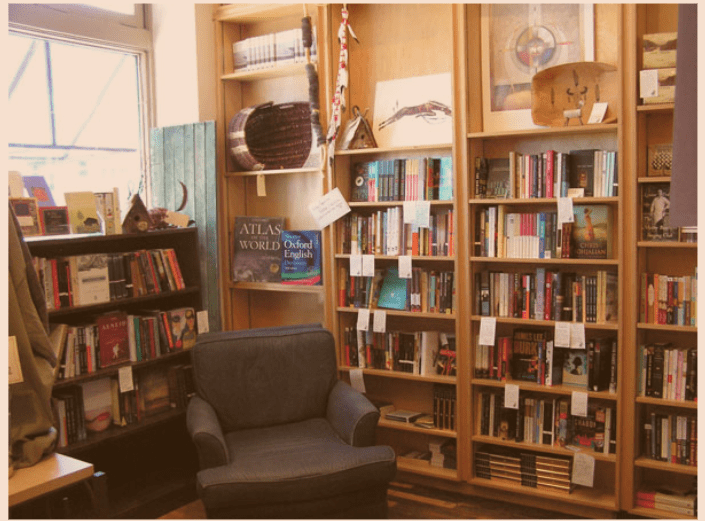
As a summer reading book, we read this book differently than we will read books in the school year. Some of us read it leisurely in a hammock whiling away a summer afternoon. You may have even called Birchbark Books to order another novel by Louise Erdrich and engaged in the very 2020 act ofContinue reading “Reading The Round House: A Realistic, Intense Narrative Delivers a Lesson on Gendered and Ethnic Violence”
A Round House: Seeing a Setting
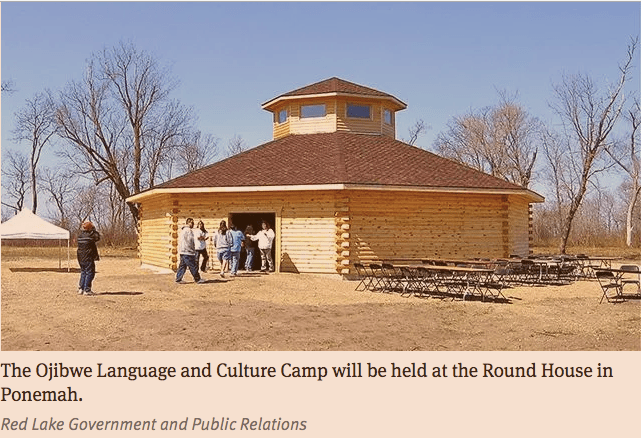
As I read Louise Erdrich’s novel The Round House, I didn’t have a clear image in my mind of the setting of the horrific crime. I knew that it was a sacred place with unclear jurisdiction, but I didn’t have a clear image. I stumbled around online a bit, and I found this image. IContinue reading “A Round House: Seeing a Setting”
Construction: Building a foundation–for what? for whom?

The idea of constructing a building serves as a metaphor for the notion of building a social construct. Basically, people have accepted “understandings of the world that form the basis for shared assumptions about reality” (Wikipedia). In other words, unlike the lovely new white tile building going up in my neighborhood, social constructs aren’t madeContinue reading “Construction: Building a foundation–for what? for whom?”
Lysistrata and Fighting For Our Voices

By Samrat Pradhan Today in class, our reading circle group read the play Lysistrata out loud. Written in 411 BCE, the play follows Greek women who are fed up with the senseless destruction caused by the Peloponnesian War. To get the Greek men to end the war, the women stage a strike to stop havingContinue reading “Lysistrata and Fighting For Our Voices”
Using Indigenous Voices and Changing the Historical Narrative
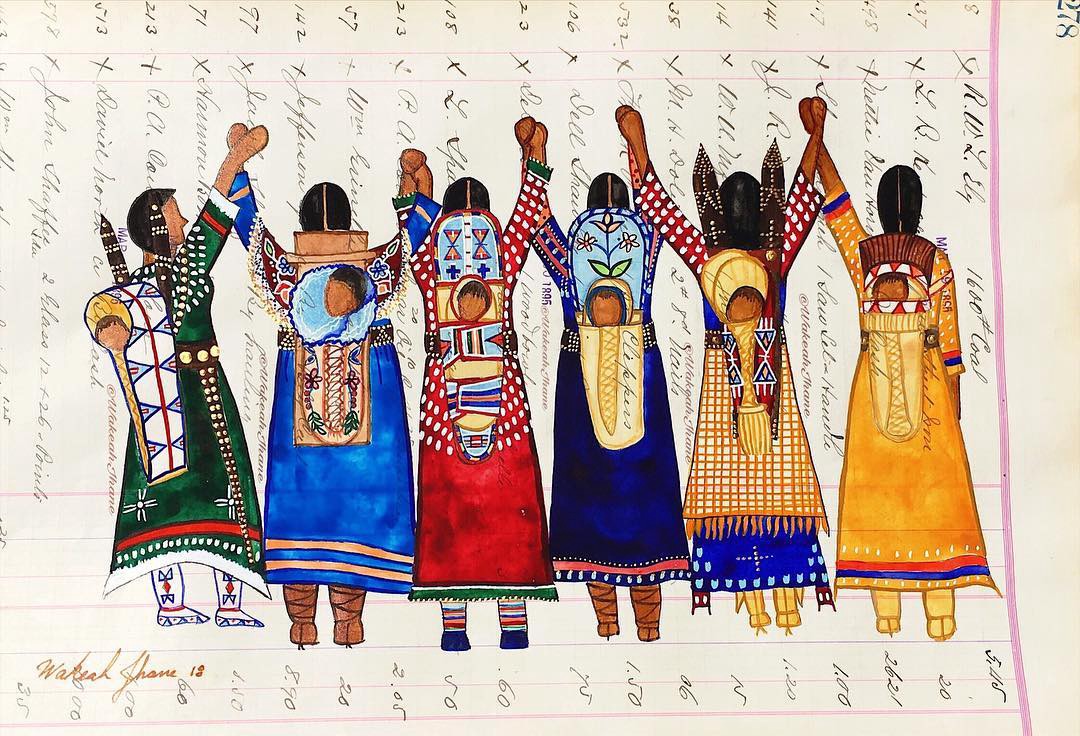
By Samrat Pradhan When I think about my school education on Native Americans, they generally followed a very similar narrative. There is first a quick and broad generalization on how indigenous communities lived post-Columbus and then a general timeline of specific trade agreements, treaties, and battles with Western colonizers. This oversimplification is problematic in manyContinue reading “Using Indigenous Voices and Changing the Historical Narrative”
In The Shadow of The Castle: the Legacy of Ghanaian Slave Trade and What “homegoing” Means to African Americans Today

Above: Steve Harvey explores Ghana as part of the “Year of Return” for African descendants in the diaspora.1 By Taggert Smith In 2019, Ghana’s President Nana Akufo-Addo announced a “Year of Return,” inviting descendants of Ghanian people spread out across the world to return to the motherland. Though we didn’t read this far in class,Continue reading “In The Shadow of The Castle: the Legacy of Ghanaian Slave Trade and What “homegoing” Means to African Americans Today”
The Door of No Return: Fanteland’s History and British Exploitation in the Transatlantic Slave Trade
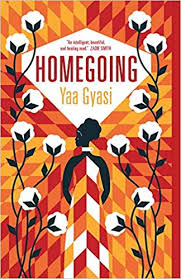
By Hannah Sweet Esi’s journey through the door of no return in Yaa Gysai’s Homegoing is a single vignette of the experience of millions of Africans. From the 16th to 19th century millions of Africans were herded onto ships for the New World, never to see their families or homeland again. It is estimated thatContinue reading “The Door of No Return: Fanteland’s History and British Exploitation in the Transatlantic Slave Trade”
 Constructions of Gender in Literature