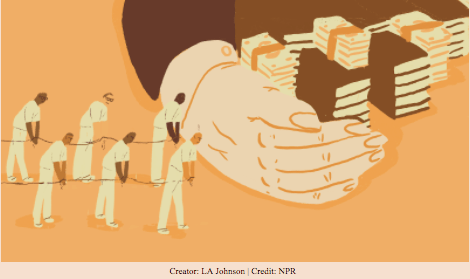
by: Ryan Ressemann Angela Y. Davis’s speech delivered to the Center for the Study of Race, “Feminism and Abolition: Theories and Practices for the Twenty-First Century,” delves into a topic often put on the back burner of mainstream societal topics. Davis highlights how penitentiaries operate often emulate the profound disparities between men and women inContinue reading “The Societal Problems That Sit On The Back Burner: Prison Funding and Reform”
Category Archives: Culture
How Gender Impacts a Woman’s Time Incarcerated
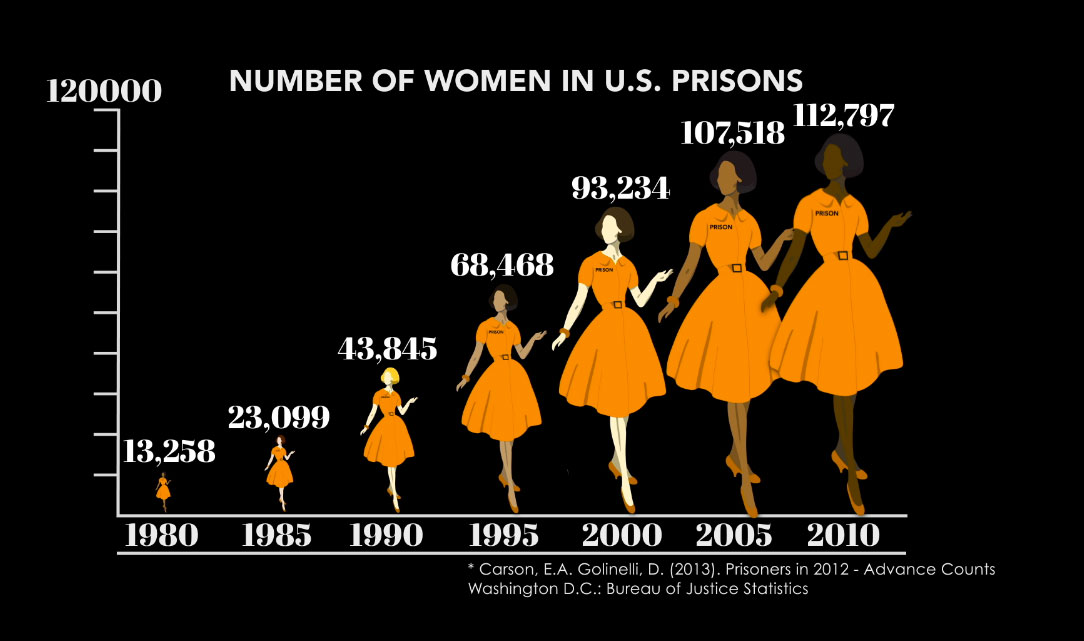
Roughly 213,000 women and girls and roughly 2 million men and boys are imprisoned in the US. During their incarceration, women often have a very different experience than men do. This is due to a number of factors, most of which stem from their roles as mothers and inadequate services offered to them while incarcerated.Continue reading “How Gender Impacts a Woman’s Time Incarcerated”
Feminism and Abolition: A Roadmap of the History and Terminology of Angela Davis’s Speech

Here is some background on Davis’s speech through terms, history, and statistics to help your reading and understanding of this longer text.
Why is Lemonade Yellow?

By Hannah Sweet Beyoncé’s video album Lemonade is filled with dozens of visually stunning moments. Yet, the image of Beyoncé in her flowing yellow dress, pushing open a set of golden doors is what I believe to be one of the most powerful images throughout the album. The contrast between the beginning of “Hold Up”Continue reading “Why is Lemonade Yellow?”
Women in the Perspective of Coventry Patmore: Passive and Pure

“The Angel in the House” created the standard for women’s behavior in the Victorian era (mid 1800s-1900s) by men, for their own pleasure and benefit. The title of the poem came to describe the domesticated and submissive woman that men craved during that era.
Fanaticism—the Malignant Inflexibility of our Cultural Beliefs
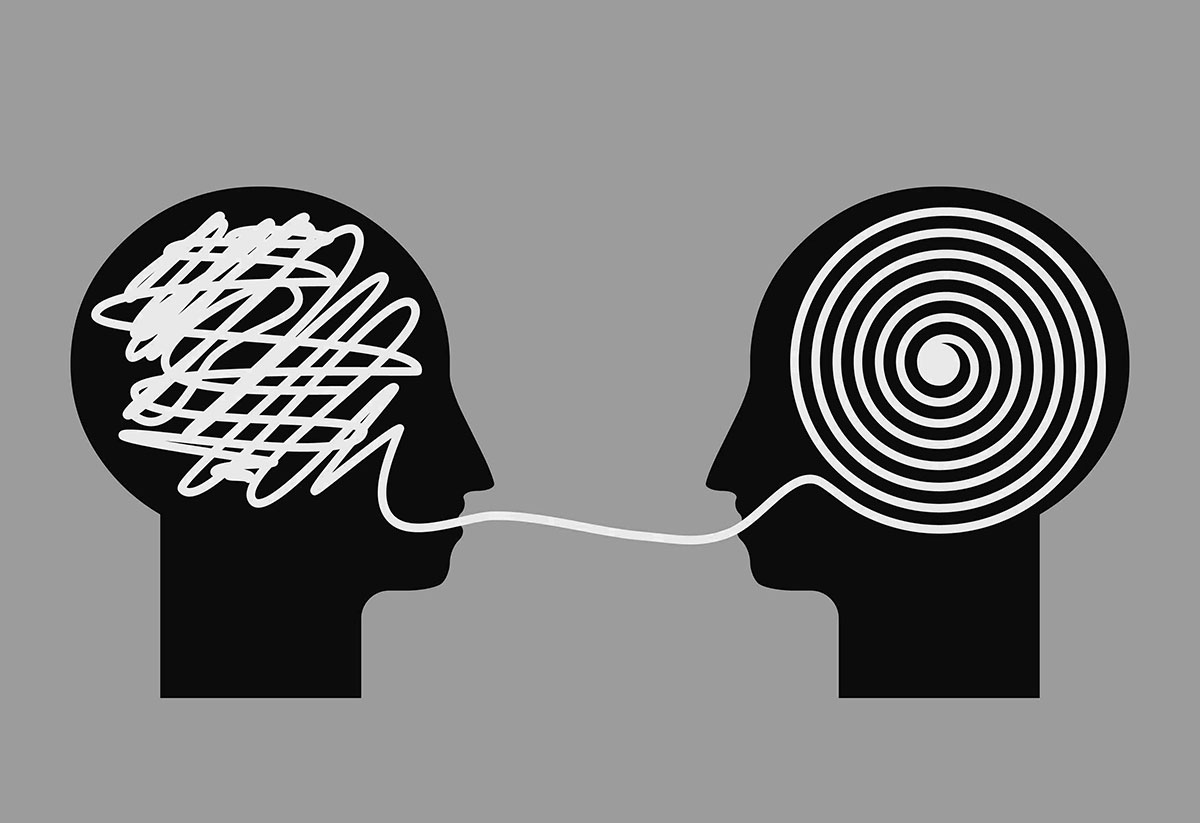
By Taggert Smith Our discussion of Hanif Kureishi’s short story “My Son the Fanatic” spanned a wide range of topics, but by the end came to focus on the question of who was in the right—Parvez or his “fanatical” son Ali. To my view the tragic emotional divide of father and son implicates a cancerousContinue reading “Fanaticism—the Malignant Inflexibility of our Cultural Beliefs”
When Life Gives You Lemons, Make Lemonade

by Grace Homan Upon research Beyonce’s Lemonade, I became overwhelmed with the realization that this masterpiece contains millions of different facts available to analyze. However, I had to start somewhere. For this reason, I looked to the most obvious pointer: The title. Why did Beyonce choose to name her album Lemonade? After all, the beverageContinue reading “When Life Gives You Lemons, Make Lemonade”
Leda and The Swan: Change is Happening

By Samrat Pradhan When reading WB Yeats’ poem on Leda and the Swan, what fascinated me most was that, in the early 20th century, his writing was considered a new revelatory way of thinking about this fable. While the story itself had not changed and was always very morally dubious, it was before, thought of,Continue reading “Leda and The Swan: Change is Happening”
Nature vs Nurture: What Do Parents Think?

Last week in class we had a long conversation about Hanif Kureishi’s “My Son the Fanatic” and what it shows about religion and parenting. The first time reading through the story we read about a boy, Ali, who begins to show a difference in attitude. His father, Parvez, was curious as to why these changesContinue reading “Nature vs Nurture: What Do Parents Think?”
Lemonade: Exposing Degrading Societal Systems Through Song

by Brooke Lee When listening to Beyoncé’s Lemonade album, listeners can hear the range of emotions she feels in each song. These emotions correlate not only with her personal life but also with current societal issues. Each piece within the Lemonade album follows a different style/genre. Beyoncé also collaborates with multiple artists, including Jack White,Continue reading “Lemonade: Exposing Degrading Societal Systems Through Song”
 Constructions of Gender in Literature